HELP AND ADVICE Understanding the risks of Linen as a Curtain choice
While linen has many benefits as a sheer curtain, there are a few potential downsides to consider:
- Cost: Linen is a high-quality, natural fabric that can be more expensive than other fabrics, such as polyester or nylon.
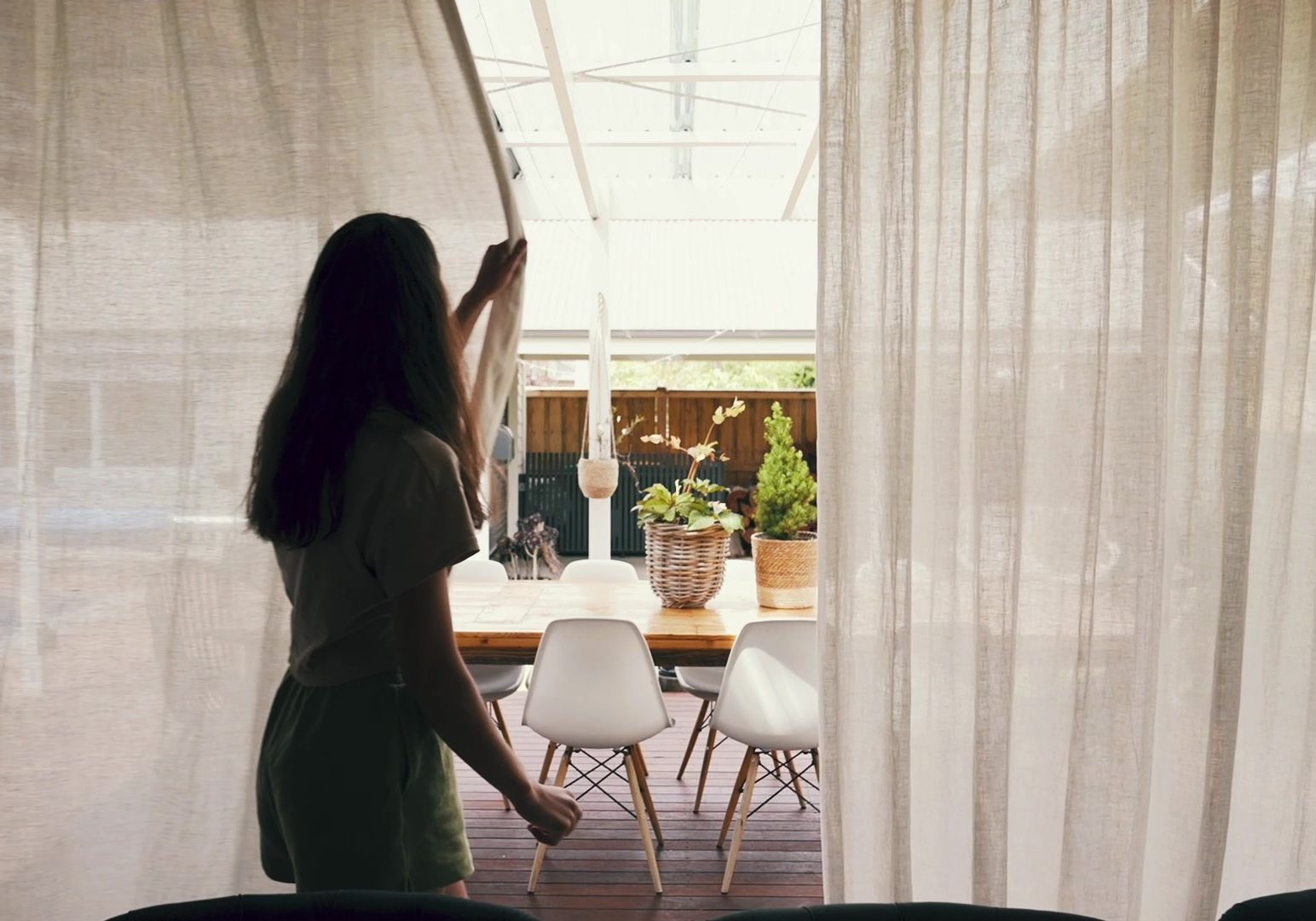
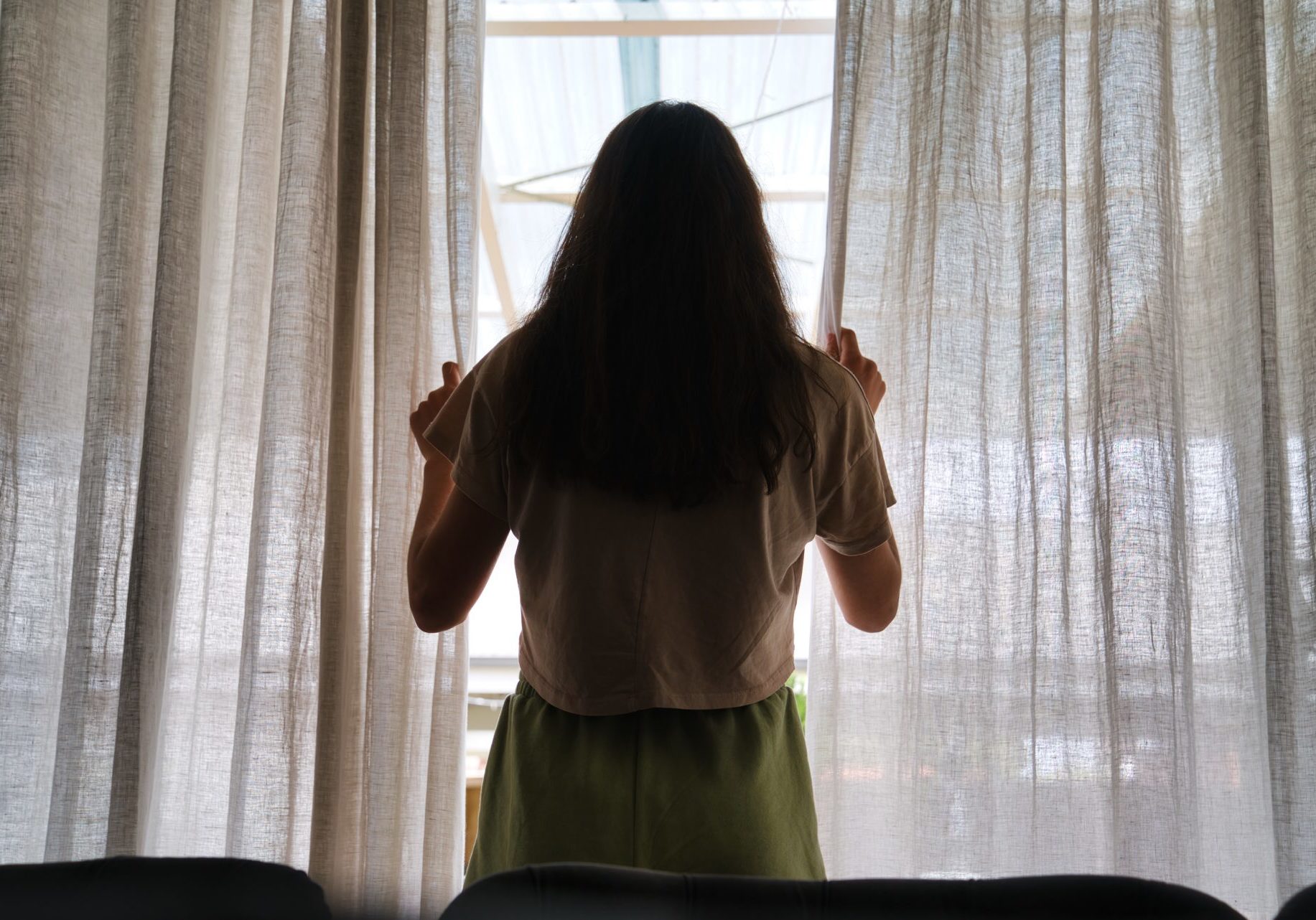
- Wrinkling: Linen is a natural fibre that is prone to wrinkling, especially when it is wet. While this can add to the natural, rustic look of linen curtains, it may not be suitable for those who prefer a more polished, smooth appearance.
- Stiffness: Linen can be stiff and rough when it is new, but it becomes softer and more pliable with use. However, some people may find the stiffness of linen curtains uncomfortable or unappealing.
- Light sensitivity: Linen is a natural fabric that can fade or turn yellow over time when exposed to sunlight. This can concern those who want their curtains to maintain their colour and appearance for a long time.
- Stretching. Linen is a natural fibre that stretches over time, especially when wet. This can be a concern when using linen as a sheer curtain, as the stretching can affect the appearance and fit of the curtains.
Overall, linen has many benefits as a sheer curtain, but it may not be the best choice for everyone. Its cost, wrinkling, stiffness, and light sensitivity are all factors to consider when choosing curtains.